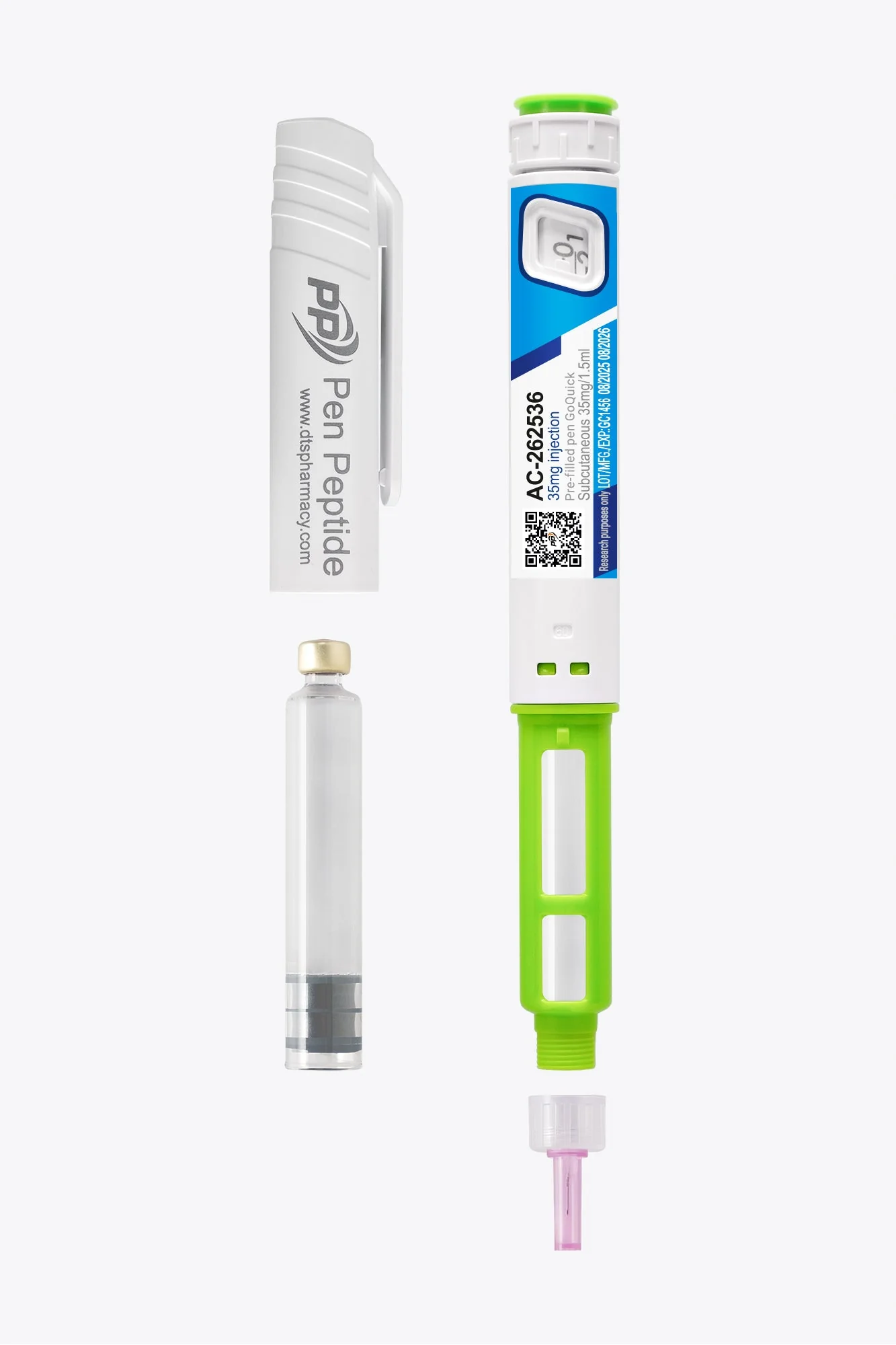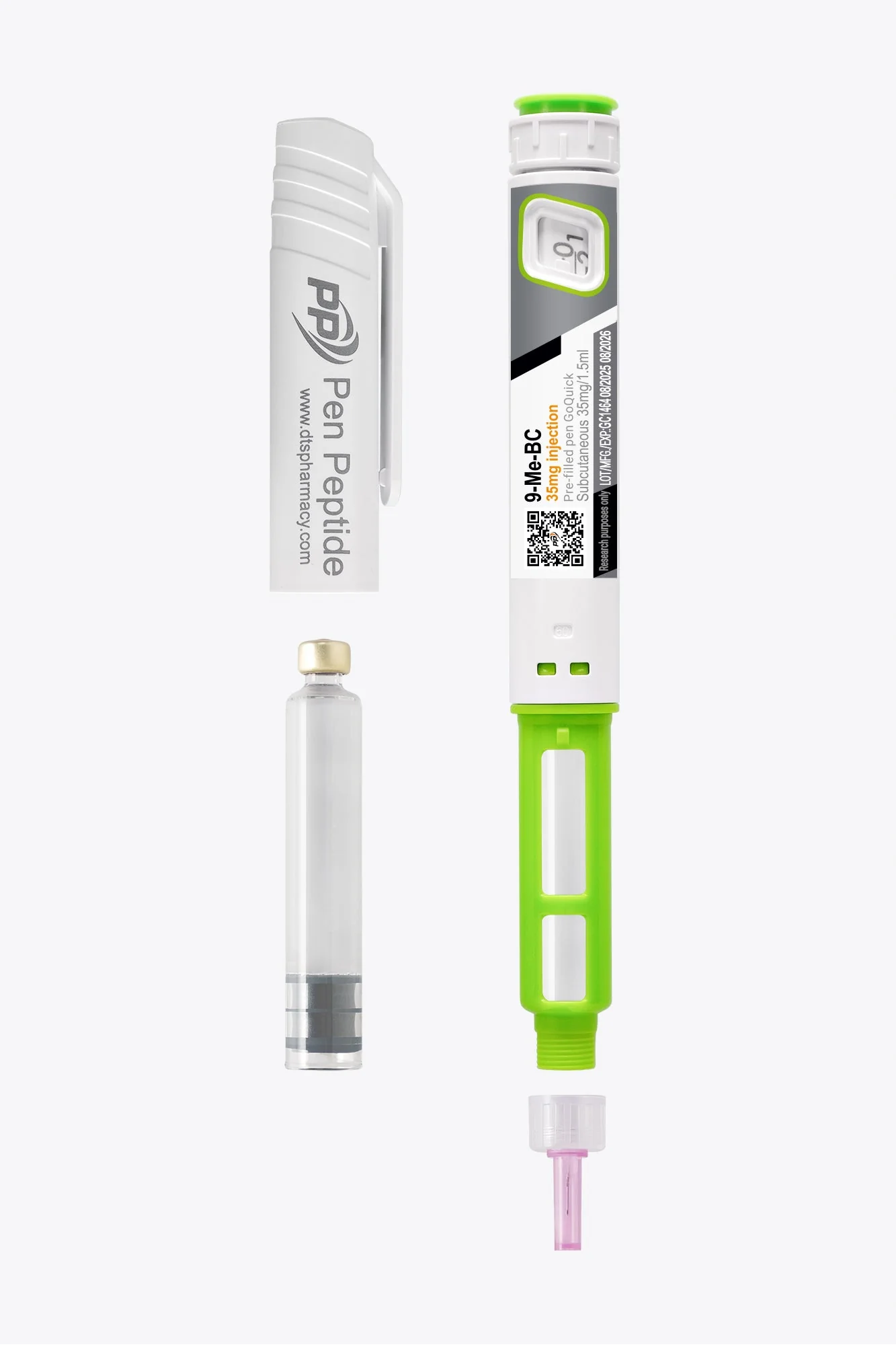
9-Me-BC | 35mg/1,5ml
What is 9-Me-BC?
9-Me-BC (9-methyl-β-carboline) is a compound of the beta-carboline group that has been intensively studied in the context of neuroprotection, cognitive function and regulation of dopamine activity. The molecule is structurally close to natural metabolites in the brain and exhibits the potential to affect the dopaminergic system in a selective and modulatory manner, without direct stimulation.
Unlike classic psychostimulants, 9-Me-BC does not deplete dopamine, but supports its restoration and long-term stabilization. This makes it interesting for research protocols targeting cognitive performance, motivation, concentration and maintenance of healthy neural function.
Mechanism of action of 9-Me-BC:
9-Me-BC acts through several parallel mechanisms. The primary effect is modulation of the dopamine system – stimulating the growth and function of dopaminergic neurons without causing dopamine depletion. In addition, the compound exerts a neuroprotective effect by reducing oxidative stress and affecting enzymes involved in cellular repair.
Research suggests that 9-Me-BC can increase the expression of neurotrophin-related genes and improve mitochondrial function in brain tissue. This complex but balanced effect on neurons positions it as a promising molecule in research related to brain function and protection.
Potential science-backed benefits of 9-Me-BC:
Laboratory analyzes indicate a number of potential benefits of 9-Me-BC administration in a controlled research setting:
- Improving dopamine activity and receptor sensitivity;
- Increasing concentration, motivation and alertness;
- Neuroprotective effect - reduction of oxidative stress in the brain;
- Stimulation of the growth of neuronal branches (dendritogenesis);
- Possible support for mental fatigue and cognitive decline.
Due to these properties, 9-Me-BC is used in protocols investigating neurological recovery, maintenance of cognitive acuity, and adaptation to mental stress.
Dosage and administration of 9-Me-BC in research protocols:
Recommended study regimen: 5 units once daily (in the morning), for 4–6 weeks, followed by a 2–4 week rest period.
1 unit = 23.33mcg.
Total quantity in pen: 150 units
Possible side effects of 9-Me-BC:
Despite the favorable neurotropic profile of 9-Me-BC, some side effects have been observed, especially at higher doses or sensitivity to dopamine changes:
- Insomnia or nervousness, especially when taken in the late hours;
- Headache or tension;
- Changes in mood, with prolonged use.
Compliance with the optimal dosage and control over the duration of the application play a key role in limiting the manifestation of side effects.
Original: $110.67
-65%$110.67
$38.73Product Information
Product Information
Shipping & Returns
Shipping & Returns
Description
What is 9-Me-BC?
9-Me-BC (9-methyl-β-carboline) is a compound of the beta-carboline group that has been intensively studied in the context of neuroprotection, cognitive function and regulation of dopamine activity. The molecule is structurally close to natural metabolites in the brain and exhibits the potential to affect the dopaminergic system in a selective and modulatory manner, without direct stimulation.
Unlike classic psychostimulants, 9-Me-BC does not deplete dopamine, but supports its restoration and long-term stabilization. This makes it interesting for research protocols targeting cognitive performance, motivation, concentration and maintenance of healthy neural function.
Mechanism of action of 9-Me-BC:
9-Me-BC acts through several parallel mechanisms. The primary effect is modulation of the dopamine system – stimulating the growth and function of dopaminergic neurons without causing dopamine depletion. In addition, the compound exerts a neuroprotective effect by reducing oxidative stress and affecting enzymes involved in cellular repair.
Research suggests that 9-Me-BC can increase the expression of neurotrophin-related genes and improve mitochondrial function in brain tissue. This complex but balanced effect on neurons positions it as a promising molecule in research related to brain function and protection.
Potential science-backed benefits of 9-Me-BC:
Laboratory analyzes indicate a number of potential benefits of 9-Me-BC administration in a controlled research setting:
- Improving dopamine activity and receptor sensitivity;
- Increasing concentration, motivation and alertness;
- Neuroprotective effect - reduction of oxidative stress in the brain;
- Stimulation of the growth of neuronal branches (dendritogenesis);
- Possible support for mental fatigue and cognitive decline.
Due to these properties, 9-Me-BC is used in protocols investigating neurological recovery, maintenance of cognitive acuity, and adaptation to mental stress.
Dosage and administration of 9-Me-BC in research protocols:
Recommended study regimen: 5 units once daily (in the morning), for 4–6 weeks, followed by a 2–4 week rest period.
1 unit = 23.33mcg.
Total quantity in pen: 150 units
Possible side effects of 9-Me-BC:
Despite the favorable neurotropic profile of 9-Me-BC, some side effects have been observed, especially at higher doses or sensitivity to dopamine changes:
- Insomnia or nervousness, especially when taken in the late hours;
- Headache or tension;
- Changes in mood, with prolonged use.
Compliance with the optimal dosage and control over the duration of the application play a key role in limiting the manifestation of side effects.